
Caring for Thin Skin in the Elderly: Tips for Home Care
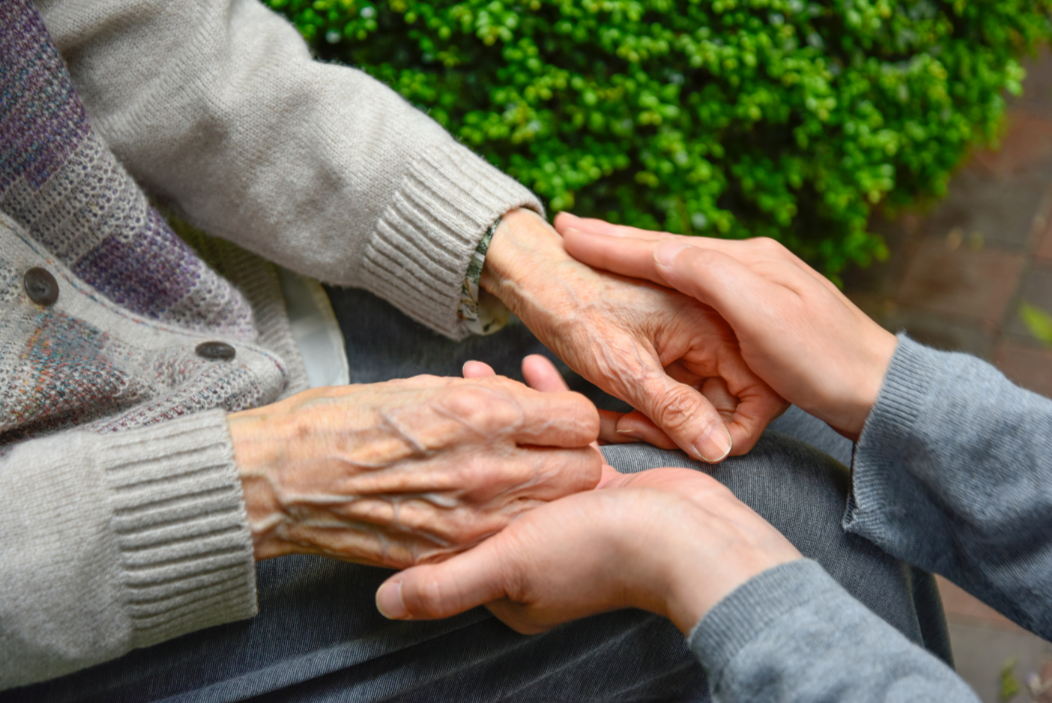
As we age, our bodies go through many changes, and one of the most visible—and often overlooked changes—is the thinning of the skin. For seniors, thin skin isn’t just a cosmetic concern; it increases the risk of injury, bruising, and infection. For family members and home caregivers, understanding how to care for aging skin is essential to providing safe and supportive care.
Why Does Skin Thin with Age?
Aging reduces collagen and elasticity in the skin. Years of sun exposure, certain medications (like steroids or blood thinners), and conditions like diabetes can all contribute to thinner, more fragile skin.
Common Risks
Easy bruising or tearing
Slower healing
Higher risk of infection
Simple Tips for Home Care
Protect the skin: Use long sleeves, arm protectors, and remove sharp objects or hazards around the home.
Moisturize daily: Apply a gentle, fragrance-free lotion to help keep skin hydrated.
Use mild soap: Avoid harsh cleansers and hot water.
Watch for injuries: Check skin daily for cuts, bruises, or signs of infection.
Promote good nutrition: Hydration, protein, and vitamins such as, C & E can help skin stay healthier.
When to Seek Help
Call a healthcare provider if you notice skin that doesn’t heal, shows signs of infection, or bruises easily without reason.
Gentle care goes a long way. A few simple steps can help prevent injury and promote healthier skin for years.